Some problems have no solution yet
When there is no standard solution, we find out what does work: simulated, built and measured on real hardware. You get a clear go or no-go, based on data.
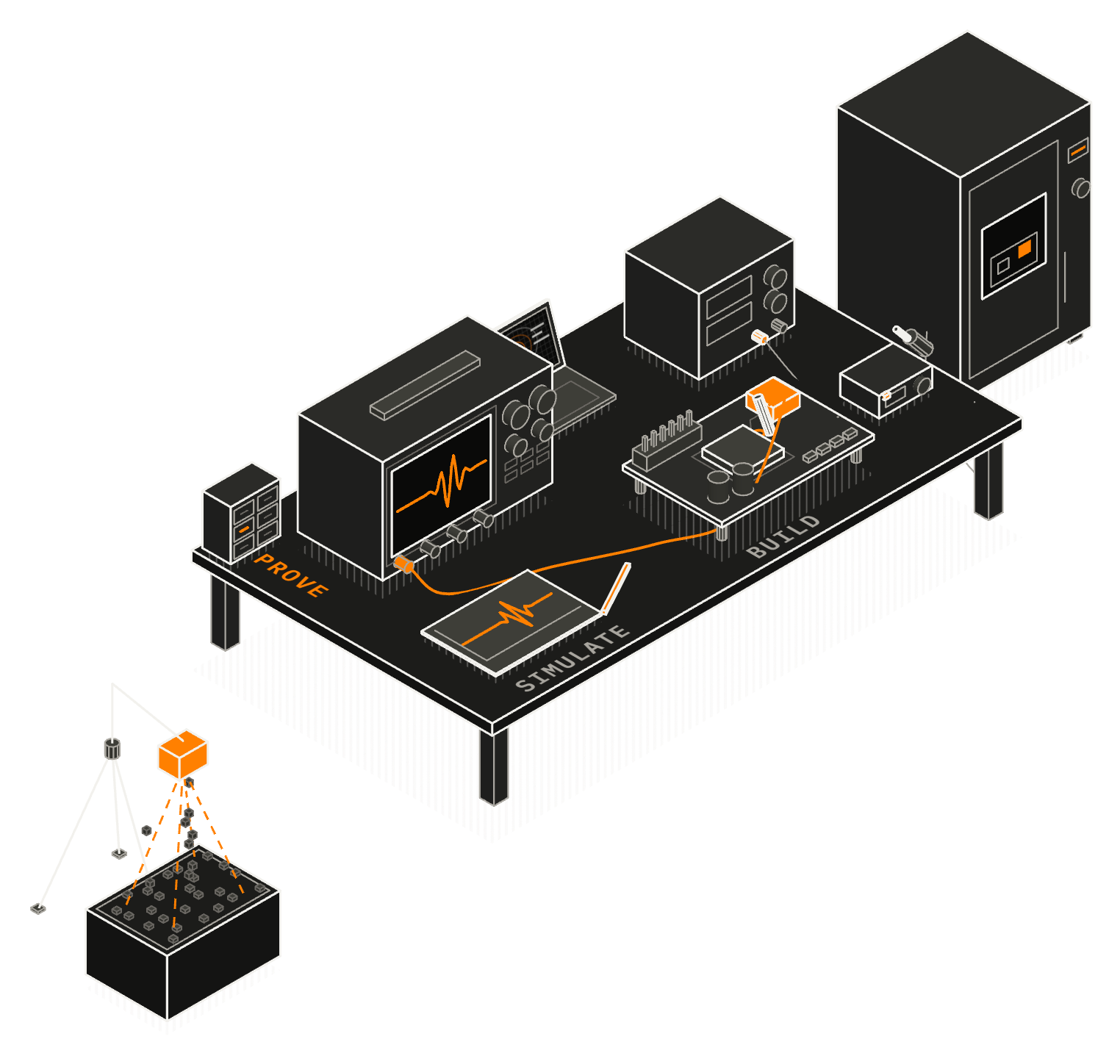
Why problems stay unsolved
Standard sensors do not work in dust, heat, sewers or underground.
A test set-up costs time and money, with no guarantee it works.
Simulation, electronics, firmware and field measurements rarely sit in one team.
From question to go or no-go
We work in four steps. Before the first one, we agree with you on the research questions and the success criteria. Below, the steps on one type of problem.
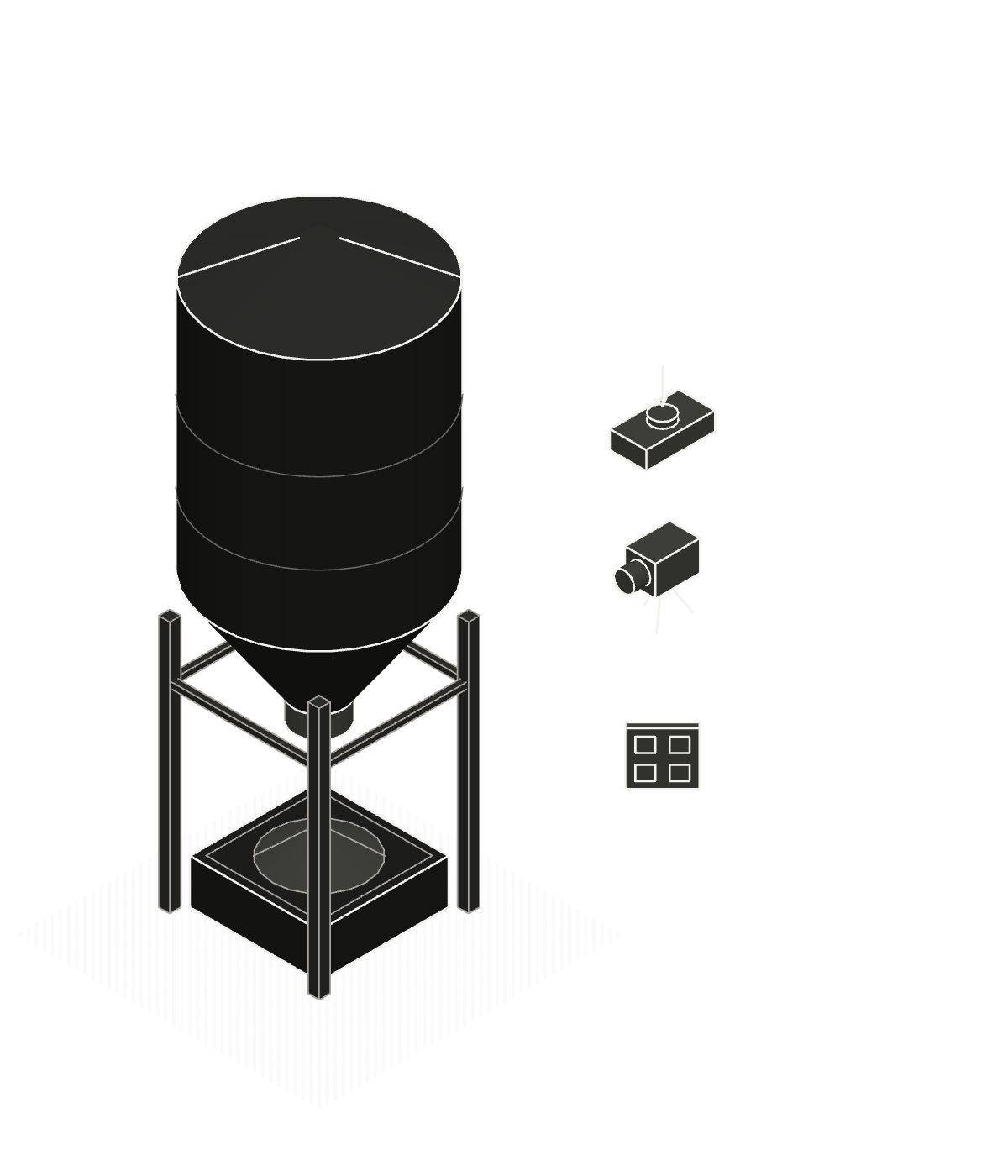
Find the principle that can work
Physical simulation, checked against real measurements. Three candidates for this silo: a load cell, a camera and a radar.
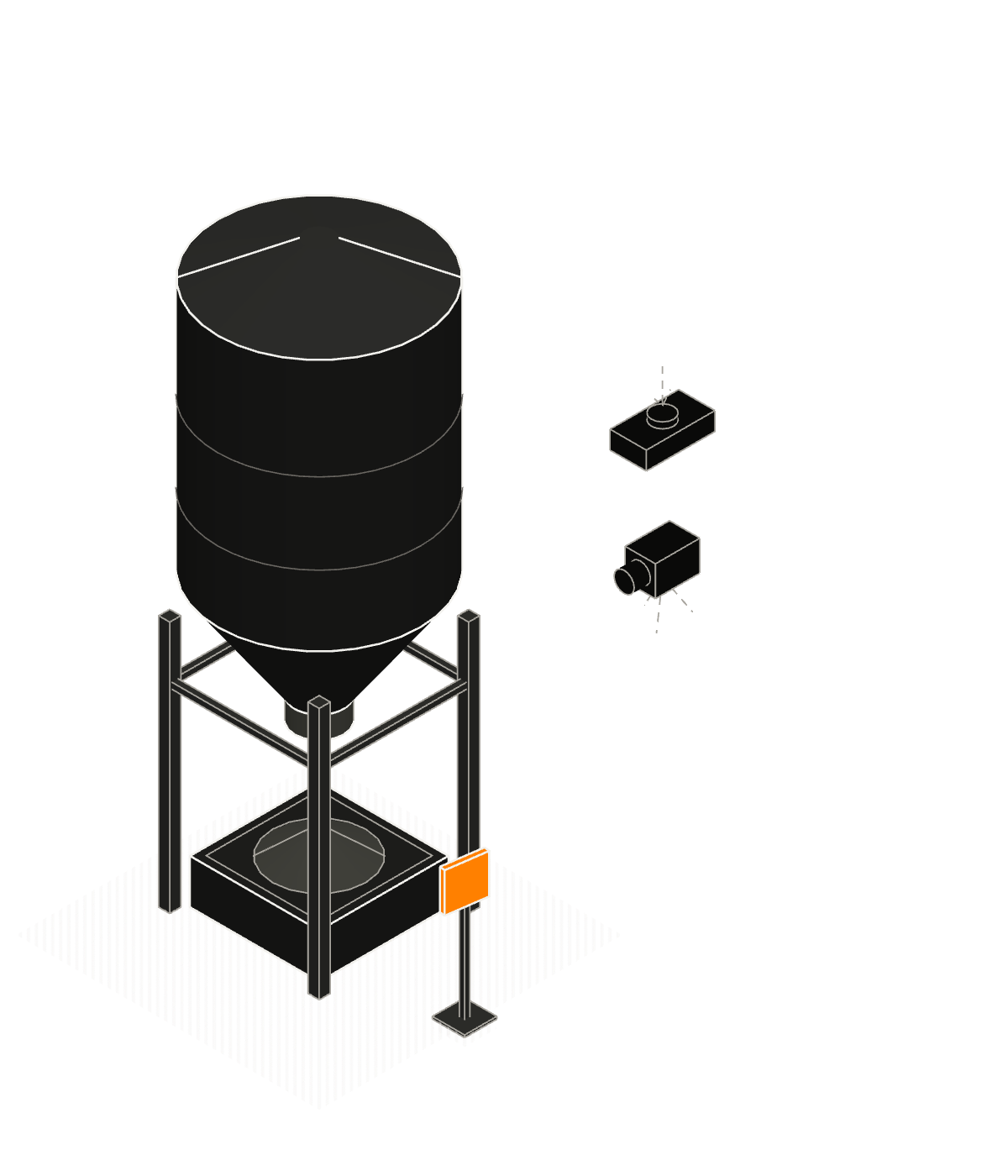
Build a test set-up
Hardware, firmware and prototypes in our own lab. The load cell and the camera drop out; the radar goes onto a test set-up.
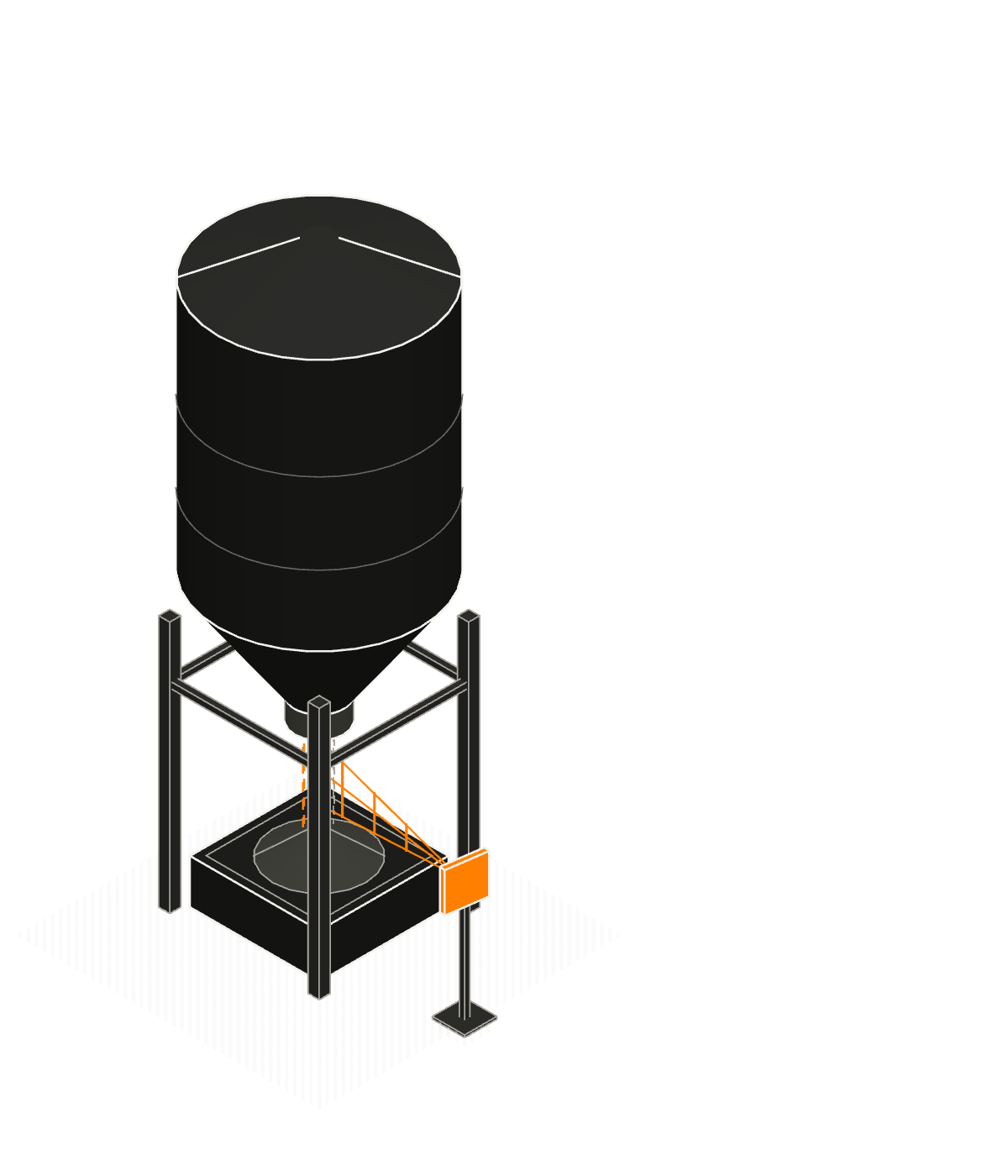
Measure in the real environment
Material falls, the radar looks into the stream and measures its speed. Dust and falling material are part of the test.
Decided on data
The measurements answer the research questions agreed up front. Then scaling is optional: growing into a product, with production by us if you want it.
A no-go is a result too. You do not invest in a route that does not work.
What lands on our bench
Autonomous sensors
Energy harvesting, low consumption, years without maintenance.
Hostile environments
Dust, heat, moisture, falling material.
Detecting and locating
Vibrations, presence, movement.
Sensor networks in the field
Remote and rugged, over LoRa, cellular or satellite.
Automatic inspection
Several sensors and machine data combined.
Kilby speeds up, an engineer signs off
Kilby is our AI embedded engineer. He takes over work where that is faster. Experienced engineers decide and sign off on the result.
 Where Kilby helps
- Running simulations faster
- Firmware for test set-ups and test benches
- Repeating tests on hardware
- The research questions and success criteria
- The interpretation of the measurements
- The advice: go, no-go or another direction
R&D Feasibility Sprint
Find out if it works.
We test the most promising principle on a set-up, against the research questions you agreed with us.
Prototype to product
Scale what works.
When the answer is go, we turn the proven principle into a product, with production by us if you want it.
Proven in the field
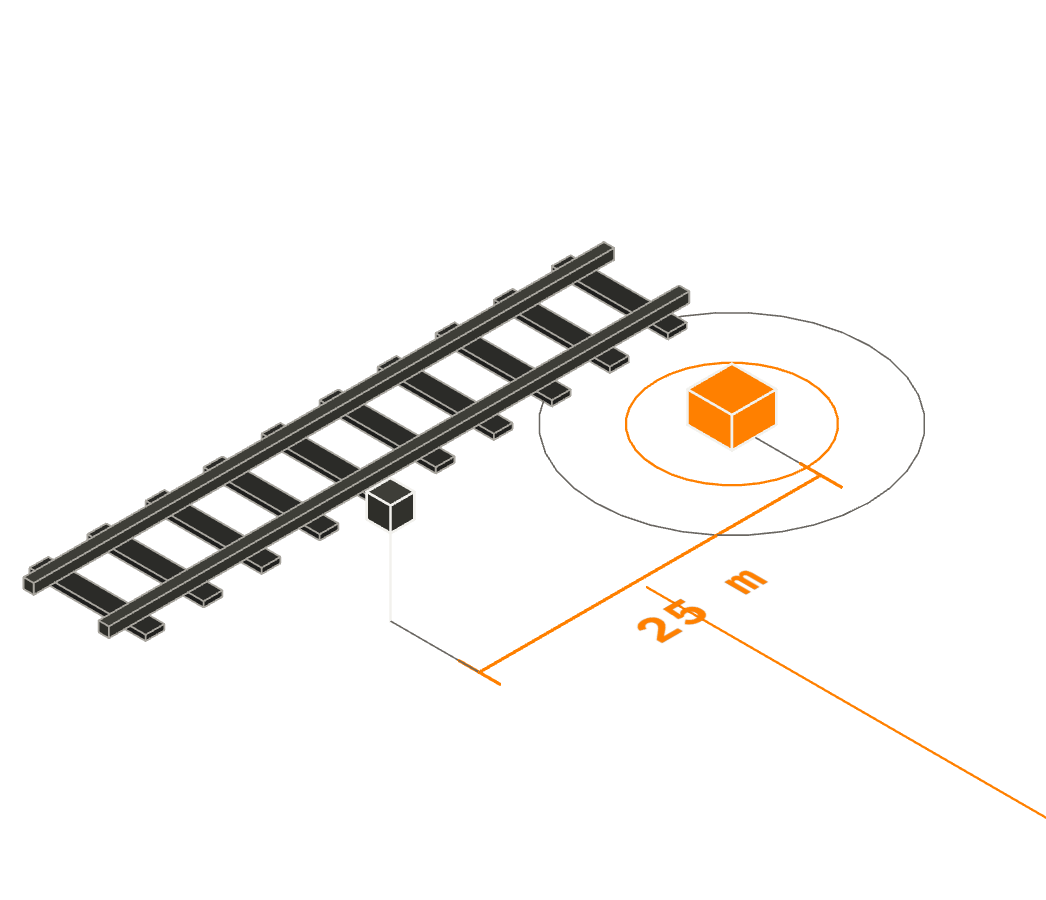 25 mNMBS · RailSeismic detection of intruders, unnoticed in an active rail yardRead the case →
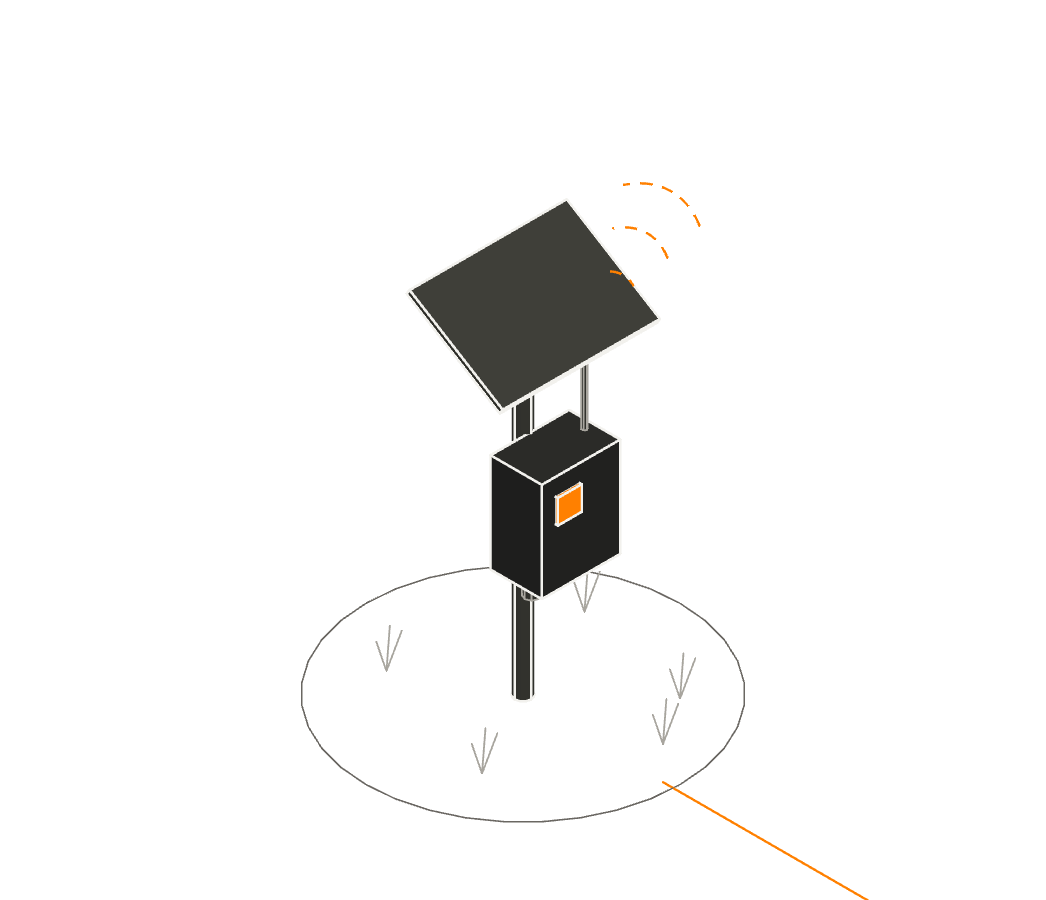 2 countriesAvia-GIS · Environmental monitoringSolar sensor nodes, validated in South Africa and TurkeyRead the case →
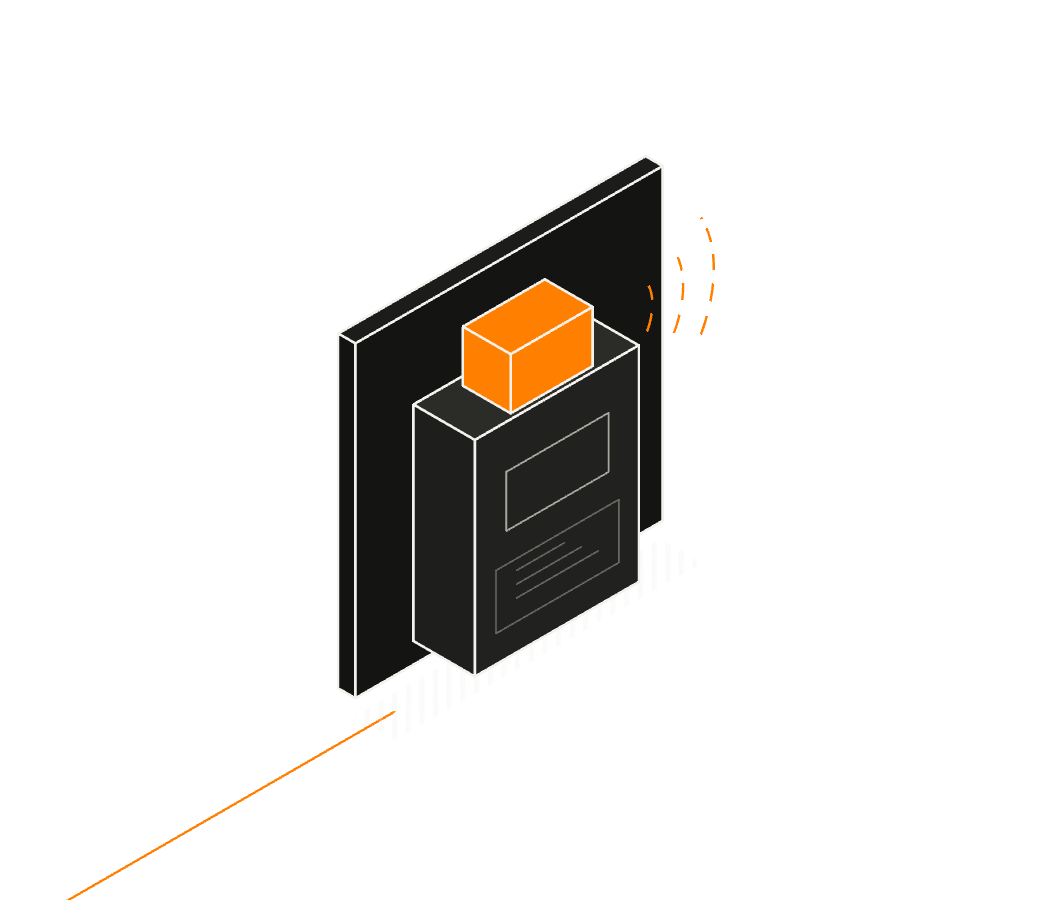 POC in weeksSmappee · EnergyA Wi-Fi module with Matter for the Linky meter, now in productionRead the case →
Bring us the hard problem.
A conversation about your problem is the first step.