From idea to product in the field
Whether you build a new product or give an existing one a future, we take it from requirements to production.
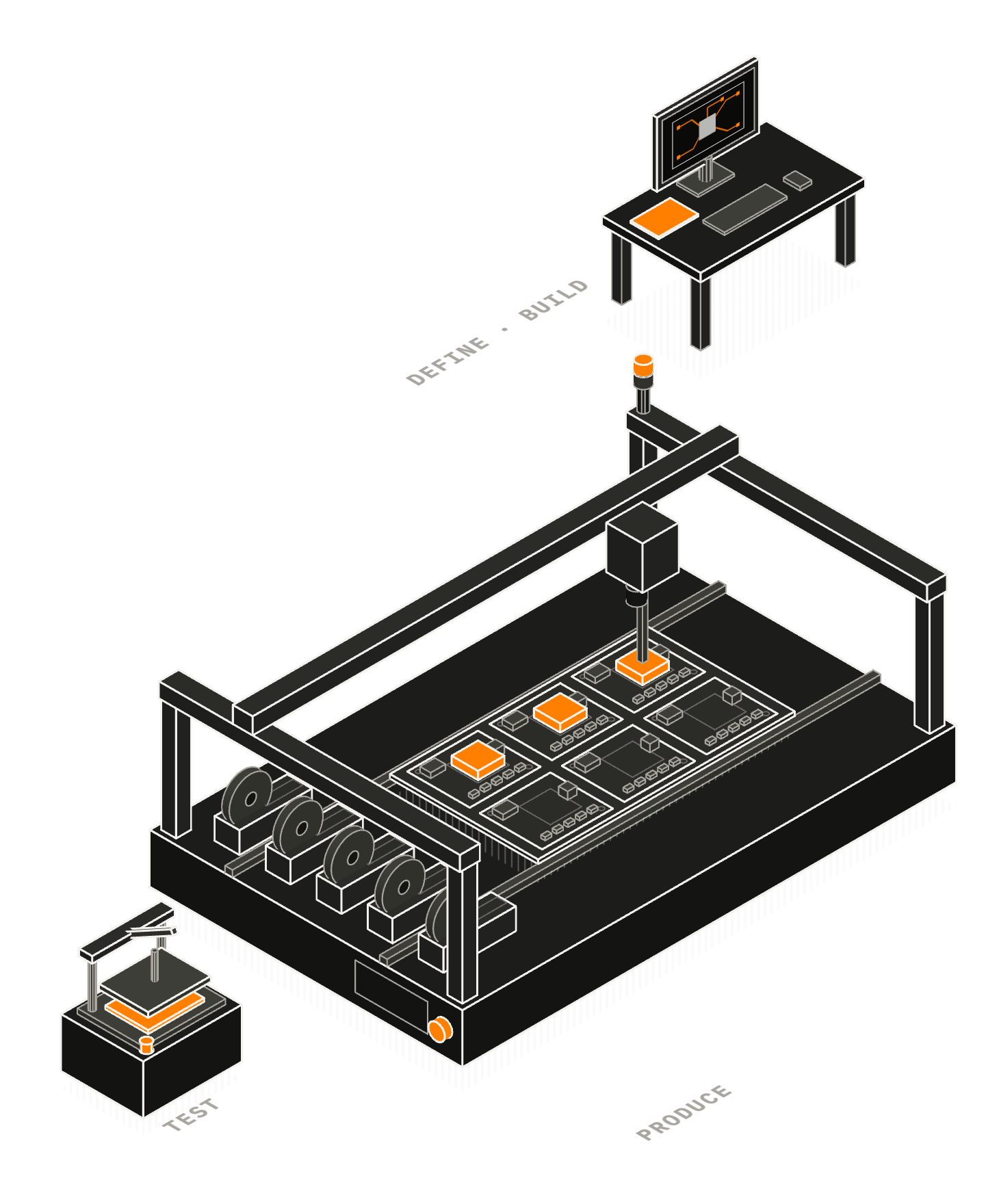
Two ways in
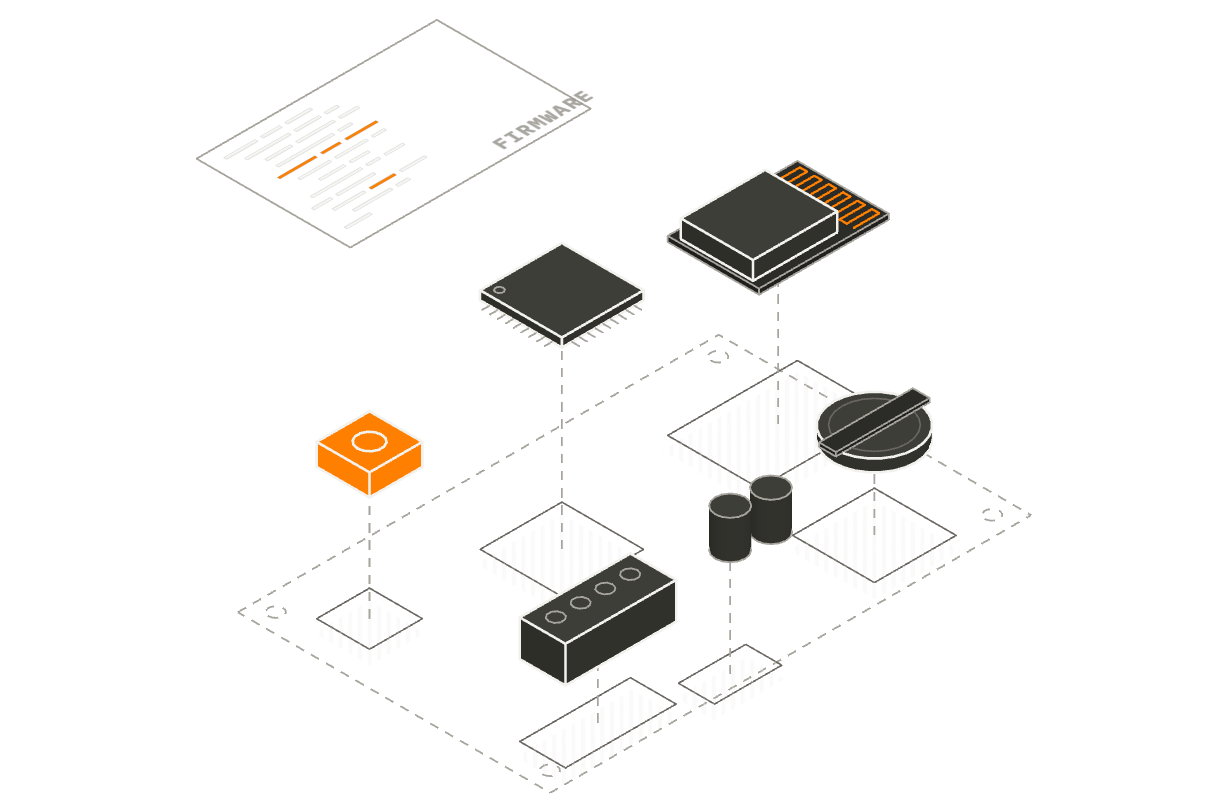
You have an idea, a set of requirements or a partial design, but no embedded team of your own. We fill in the rest: architecture, electronics, firmware and prototypes, tested on real hardware and designed for production from the start.
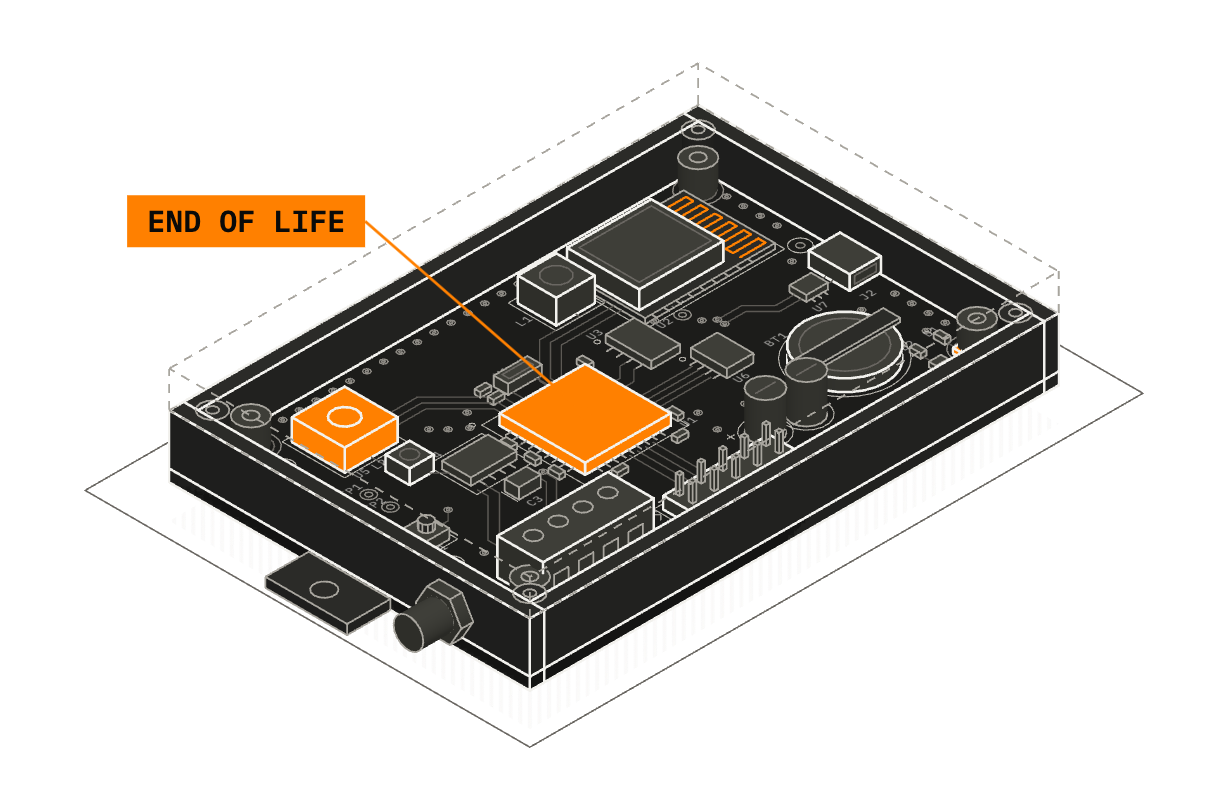
Components go end-of-life, costs rise, the knowledge has left or new requirements arrive, such as the CRA or a new radio standard. We take over the existing design, firmware and documentation and choose the way forward.
Four phases to the field
We fix requirements and concept, or take over the existing design, firmware and documentation.
Electronics, firmware and prototypes. When renewing, we test against the old behaviour.
Ready for manufacturing, with a test jig and a production file. Production by us if you want it.
Firmware updates, component management and maintenance, for as long as the product lives.
A decision point after each phase, so you stay in control of what comes next.
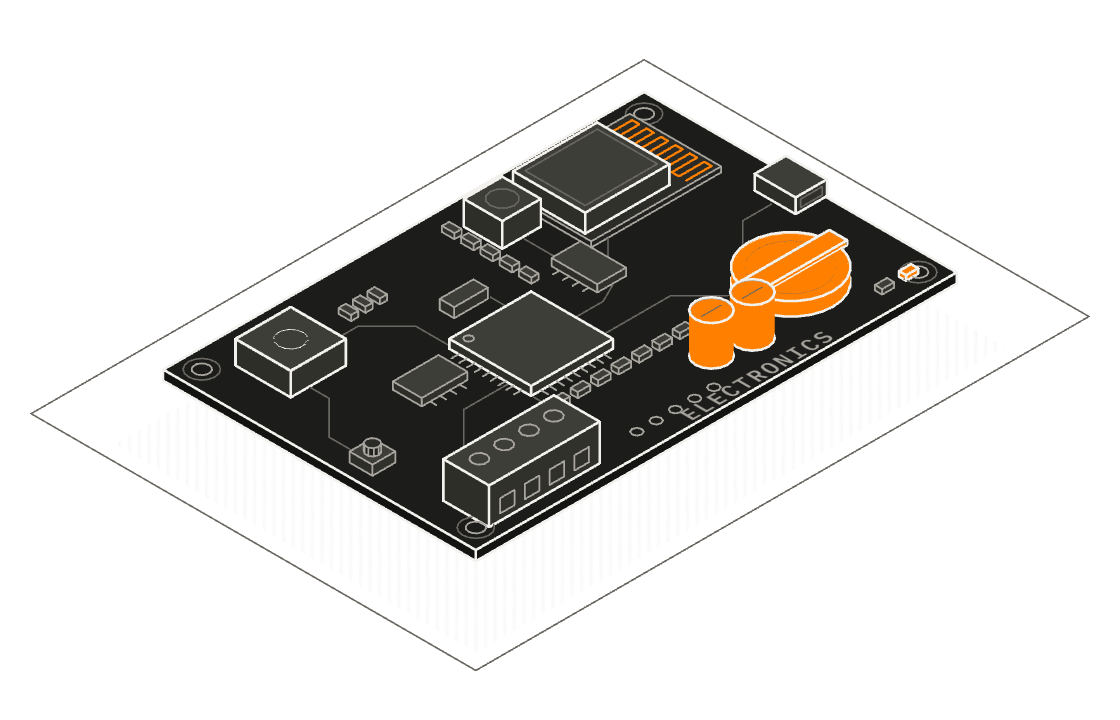
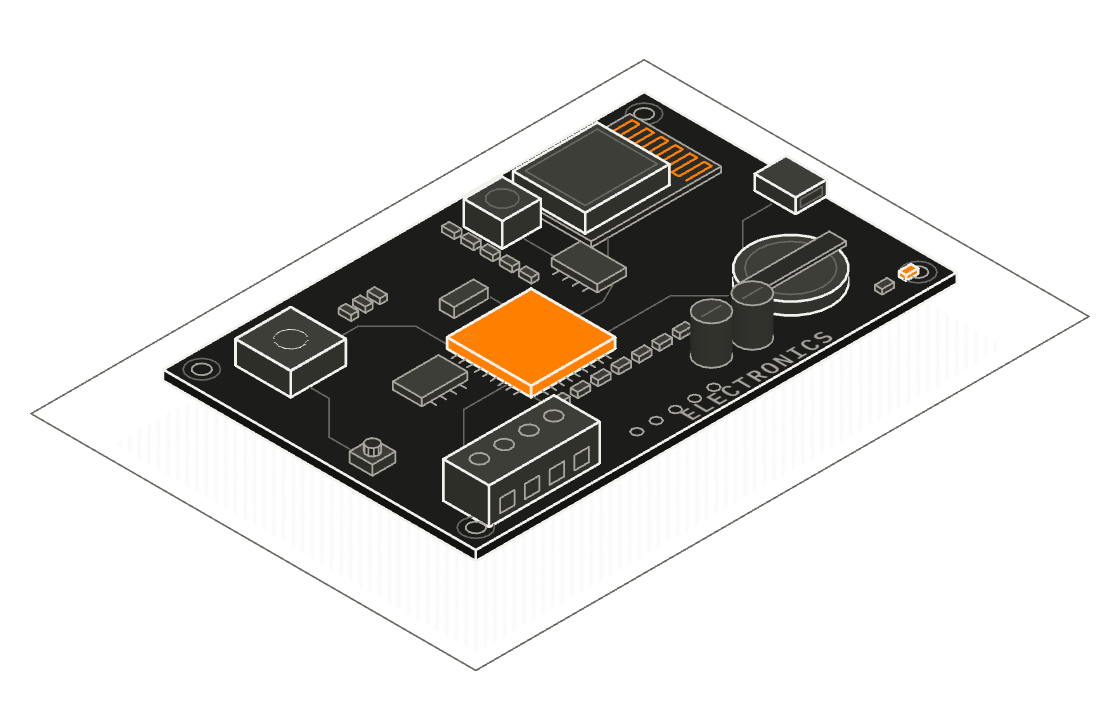
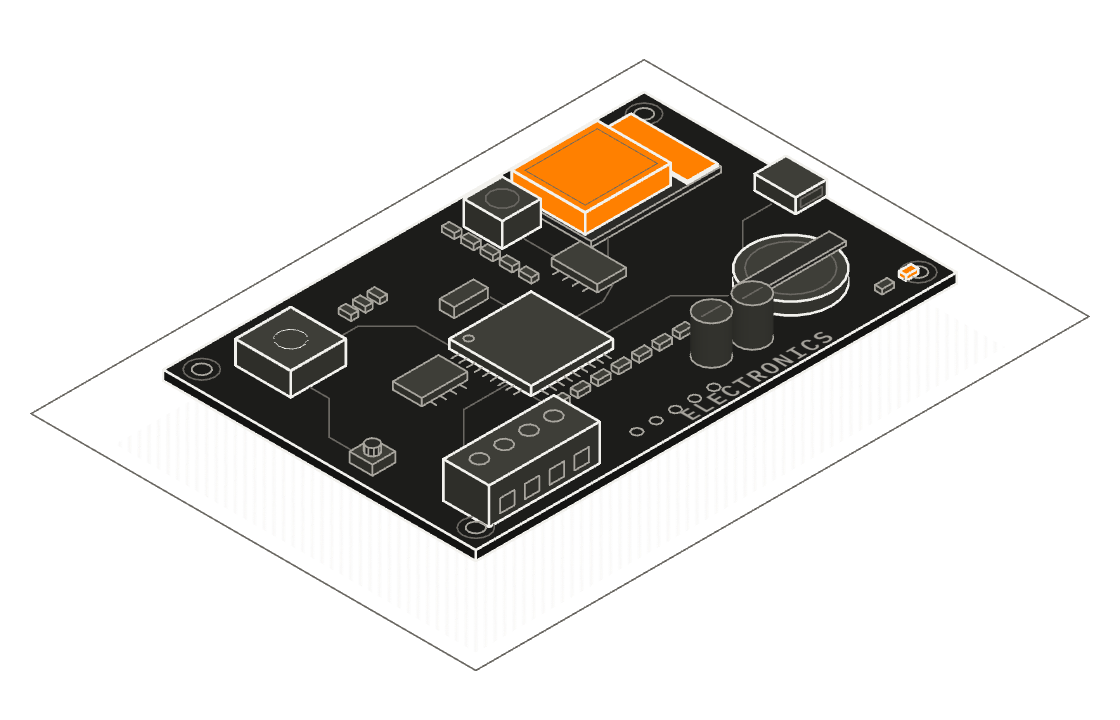
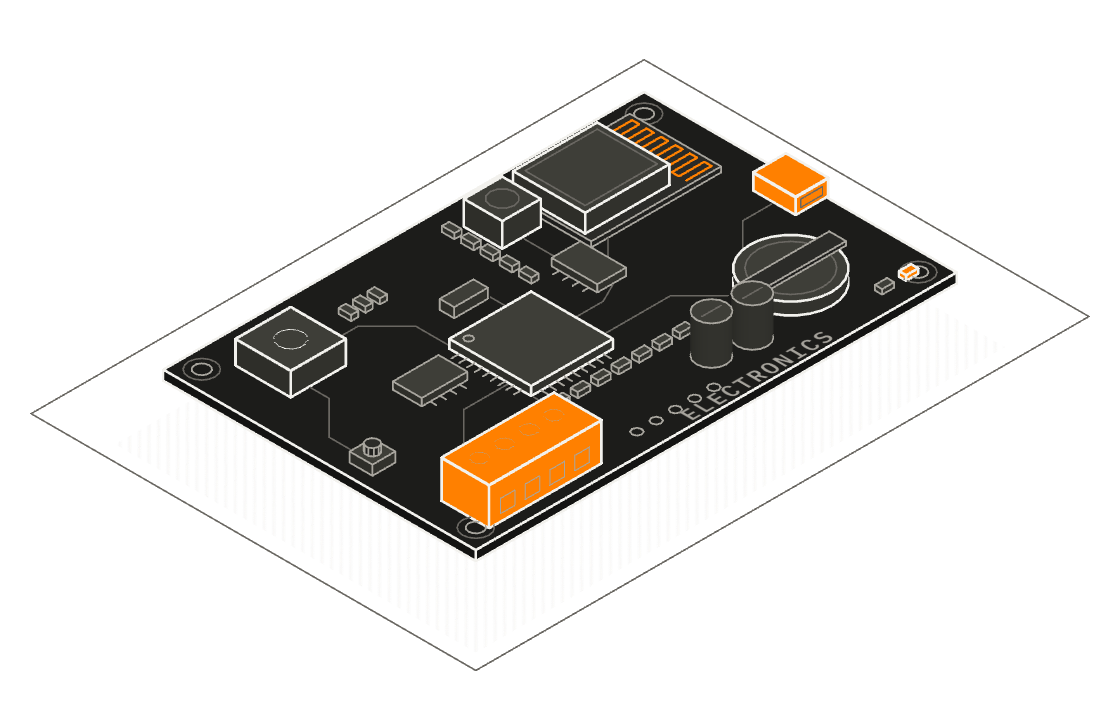
One hardware choice touches everything
It changes the firmware, the testability, the assembly and the BOM. That is why we decide on all of it together, from the start.
Example · A different MCU → a different firmware architecture → a different test jig → a different BOM.
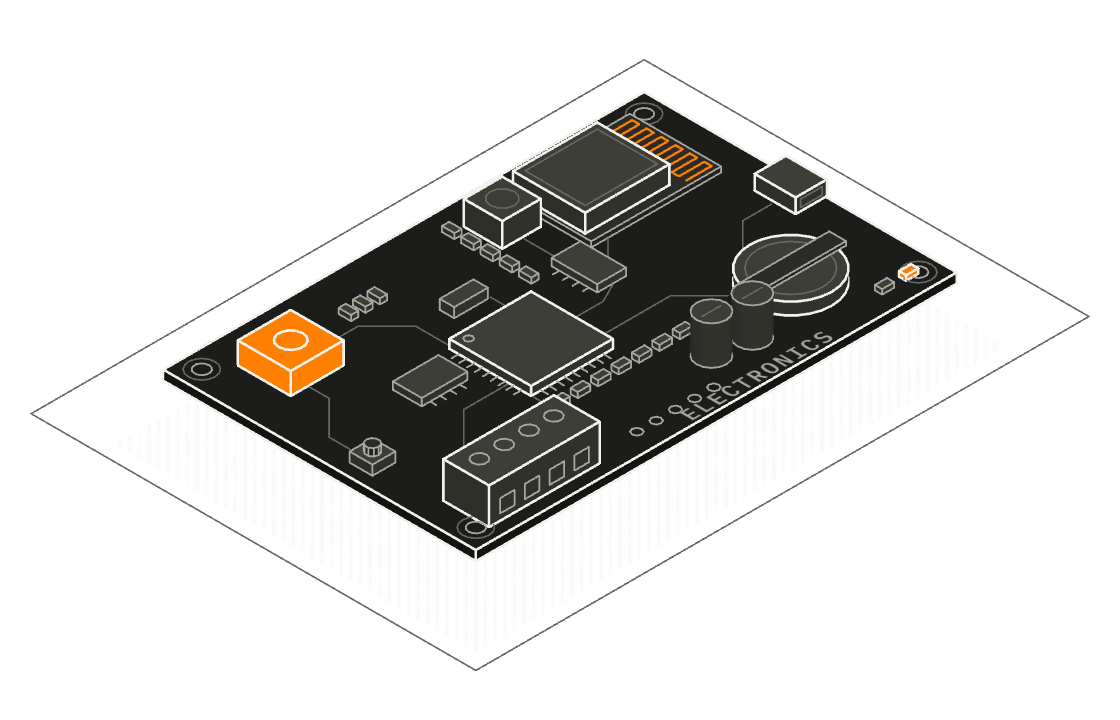
Kilby speeds up, an engineer signs off
Kilby is our AI embedded engineer. He takes over work where that is faster. Experienced engineers decide and sign off on the result.
 Where Kilby helps
- Firmware analysis
- Firmware migration
- Regression tests on hardware
- Documentation
- Architecture choices
- Which option goes ahead
- Validation and release
- Revalidation where needed (CE, RED)
Modernisation Assessment
Give your product a future.
We analyse your existing product: components, firmware, documentation and production.
Product Definition Phase
Turn your idea into a plan.
Together we set the requirements, work out a concept and map the risks.
From prototype to product in the field
 5,000+ piecesGigacom · Telecom and roboticsPin-compatible stepper drivers for fibre robots, reordered every yearRead the case →
 3 ecosystemsSkylux · Daylight solutionsNew electronics and firmware for smart roof domesRead the case →
 POC in weeksSmappee · EnergyA Wi-Fi module with Matter for the Linky meter, now in productionRead the case →
Bring us the hard problem.
A conversation about your problem is the first step.